Cesar Dog Food Feeding Guide: A Comprehensive Plan
Cesar dog food offers diverse flavors and quality ingredients, yet finding the correct portion for your canine companion requires careful consideration of several key factors.
Understanding Cesar Dog Food
Cesar dog food has become a household name, recognized for its convenient and palatable options designed to delight our furry friends. The brand distinguishes itself through a wide array of recipes, catering to various canine tastes and preferences. Many owners appreciate the ease of serving, particularly with the wet food varieties, which often come in convenient pouches.
However, it’s crucial to understand that Cesar isn’t a one-size-fits-all solution. While boasting high-quality proteins like beef, chicken, and turkey as primary ingredients, the nutritional profile varies across different product lines. Some Cesar offerings are formulated as complete and balanced meals, providing all the necessary nutrients for daily sustenance. Others are intended as complementary foods or treats, meant to supplement a dog’s primary diet, not replace it entirely.
Therefore, a thorough understanding of the specific Cesar product you’re using is paramount to ensuring your dog receives optimal nutrition. Always check the packaging for clear indications of whether it’s a complete meal or a complementary food.
Nutritional Content of Cesar Dog Food
Generally, Cesar dog food provides approximately 80-100 calories per serving, offering a moderate energy density suitable for many dogs. Protein levels typically range from 8% to 10%, essential for muscle maintenance and overall health. Fat content usually falls between 5% and 7%, contributing to energy reserves and a healthy coat.
The specific nutritional composition, however, differs significantly between wet and dry varieties, and even among different flavors within each category. Wet food often contains higher moisture content and may have a slightly lower protein concentration compared to dry kibble. Cesar prioritizes real meat as the first ingredient in many recipes, ensuring a good source of animal protein.
It’s vital to scrutinize the guaranteed analysis on the product label to understand the precise levels of protein, fat, fiber, and other essential nutrients. This information is crucial for tailoring your dog’s diet to their individual needs and ensuring they receive a balanced nutritional intake.
Cesar Wet Dog Food vs. Cesar Dry Dog Food
Cesar offers both wet and dry food options, each with distinct characteristics. Wet food, known for its palatability, often features higher moisture content, beneficial for hydration, and is made with high-quality proteins like beef, chicken, or lamb as the primary ingredient; It’s often favored by picky eaters or dogs needing increased fluid intake.
Conversely, Cesar dry dog food is 100% nutritionally complete and balanced, providing a convenient and cost-effective feeding solution. Its kibble form promotes dental health through chewing action. While potentially less appealing to some dogs initially, it offers longer shelf life and easier portion control.
Some Cesar wet food varieties are designed as complementary foods or snacks, not complete meals, requiring supplementation with dry kibble for a balanced diet. Understanding these differences is key to selecting the best option, or combination, to meet your dog’s specific dietary requirements and preferences.
Factors Influencing Feeding Amounts
Determining the appropriate Cesar feeding amount isn’t a one-size-fits-all approach; several crucial factors demand consideration. A dog’s weight is paramount – larger dogs naturally require more food than smaller breeds. Age plays a significant role, with puppies needing nutrient-rich diets for growth, while seniors may benefit from fewer calories to prevent weight gain.
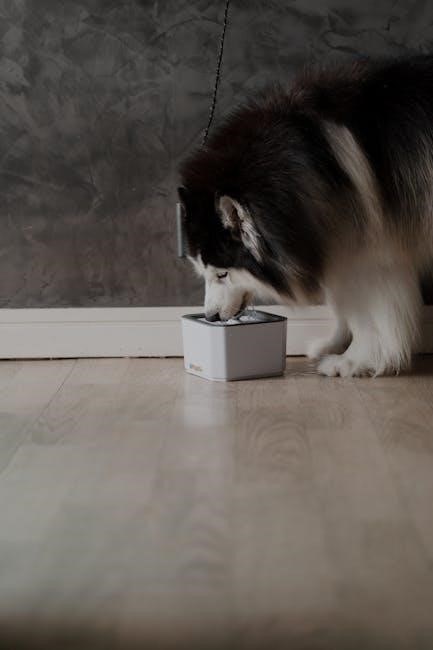
Activity level is equally important. Highly active dogs, engaging in frequent exercise, burn more calories and necessitate larger portions. Conversely, less active or sedentary dogs require smaller amounts to avoid obesity. Individual metabolic rates and overall health conditions also influence nutritional needs.
Therefore, a holistic assessment encompassing these elements is vital. Consulting the Cesar feeding chart as a starting point, then adjusting based on your dog’s unique characteristics, ensures optimal health and well-being.
Dog’s Weight
A dog’s weight is the foundational element in calculating appropriate Cesar feeding amounts. The feeding guidelines on Cesar packaging typically categorize dogs by weight ranges, providing a starting point for portion determination. Smaller dogs, generally under 20 pounds, require significantly less food than larger breeds exceeding 50 pounds.
It’s crucial to weigh your dog regularly to ensure accurate portioning. Weight fluctuations can indicate the need to adjust food intake. Overfeeding, even slightly, can lead to weight gain and associated health problems. Conversely, underfeeding can result in nutrient deficiencies and a weakened immune system.
Always refer to the Cesar feeding chart corresponding to your dog’s current weight, and remember that these are merely guidelines. Individual metabolic rates and activity levels necessitate further adjustments.
Dog’s Age

A dog’s age significantly impacts their nutritional needs and, consequently, the amount of Cesar dog food they require. Puppies, experiencing rapid growth, demand more calories and nutrients than adult dogs. They benefit from frequent, smaller meals throughout the day to support their development.
Adult dogs, having reached their full size, need a balanced diet to maintain their weight and energy levels. Senior dogs, however, often have slower metabolisms and reduced activity levels, requiring fewer calories to prevent weight gain. They may also benefit from diets formulated for joint health and cognitive function.
Always consider your dog’s life stage when interpreting Cesar feeding guidelines. Adjust portion sizes accordingly, and consult your veterinarian for personalized recommendations based on your dog’s specific age-related needs.
Dog’s Activity Level
Your dog’s activity level is a crucial determinant of their caloric needs and, therefore, the appropriate amount of Cesar dog food to provide. Highly active dogs, such as those who participate in agility training or enjoy long runs, burn more calories and require larger portions to fuel their energy expenditure.
Conversely, less active or sedentary dogs need fewer calories to avoid weight gain. Indoor dogs or those with limited exercise routines fall into this category. Monitoring your dog’s body condition is essential; adjust their food intake based on whether they are maintaining a healthy weight.
Remember that even within activity levels, individual metabolisms vary. Observe your dog’s energy levels and adjust Cesar portions accordingly, always prioritizing a healthy weight and body condition score.
Decoding Cesar Feeding Chart
Cesar feeding charts, found on packaging or the manufacturer’s website, provide a starting point for determining appropriate portion sizes. These charts typically categorize dogs by weight, offering a recommended daily feeding amount for both wet and dry food varieties.
However, it’s vital to understand these charts are guidelines, not absolute rules. They assume an average activity level and metabolic rate. Always begin with the recommended amount for your dog’s weight, then closely monitor their body condition.
Pay attention to whether the chart specifies daily or per-meal feeding. Adjust portions based on your dog’s individual needs, considering age, activity, and overall health. Remember to consult your veterinarian for personalized recommendations.
Initial Feeding Guidelines (Wet Food)
When introducing Cesar wet food, begin with a gradual transition to minimize digestive upset. For smaller dogs (under 10 lbs), start with approximately 1-2 pouches daily, divided into multiple meals. Medium-sized dogs (10-25 lbs) may require 2-3 pouches, while larger breeds (over 25 lbs) could need 3 or more.
These are initial estimates; observe your dog’s appetite and adjust accordingly. Always provide fresh water alongside wet food. Remember that wet food has a higher moisture content, potentially reducing your dog’s water intake.
Refer to the specific product’s packaging for tailored recommendations, as calorie density varies between Cesar varieties. Monitor stool quality and body condition during the transition period to ensure optimal digestion and weight management.
Initial Feeding Guidelines (Dry Food)

Starting with Cesar dry food requires a similar gradual approach. For small dogs (under 10 lbs), begin with roughly 1/4 to 1/2 cup of dry food daily, split into two meals. Medium-sized dogs (10-25 lbs) typically need 1/2 to 1 cup, while larger dogs (over 25 lbs) may require 1 to 1.5 cups or more.
These amounts are guidelines; adjust based on your dog’s individual needs and activity level. Ensure constant access to fresh, clean water, as dry food has lower moisture content.
Always consult the packaging for specific feeding recommendations, as variations exist between Cesar dry food formulas. Monitor your dog’s weight and body condition closely during the transition to prevent over or underfeeding.
Transitioning to Cesar Dog Food
A smooth transition is crucial to avoid digestive upset when switching your dog to Cesar. Abrupt changes can lead to diarrhea or vomiting, so a gradual introduction is best. Begin by mixing 25% Cesar with 75% of your dog’s current food. This initial blend allows their system to slowly adjust to the new ingredients and flavors.
Over the next few days, incrementally increase the proportion of Cesar while decreasing the amount of the old food. This phased approach minimizes the risk of digestive issues. By day seven, your dog should be fully transitioned to Cesar, enjoying 100% of their meals from the new brand.
Mixing with Current Food (Days 1-2)
The initial phase of transitioning to Cesar dog food, spanning days one and two, focuses on a gentle introduction. Begin by incorporating a small amount of Cesar into your dog’s existing diet. Specifically, aim for a 25% Cesar to 75% current food ratio. This modest blend allows your dog’s digestive system to begin adapting to the new flavors and ingredients without overwhelming it.
Carefully observe your dog’s reaction during these first two days. Look for any signs of digestive upset, such as changes in stool consistency or decreased appetite. Maintaining this ratio for the initial period sets the stage for a smoother, more comfortable transition process, minimizing potential discomfort for your furry friend.

Gradual Increase (Days 3-7)
Following the initial introduction, days three through seven involve a progressive increase in the proportion of Cesar dog food. Every two days, incrementally increase the amount of Cesar while correspondingly decreasing the amount of your dog’s previous food. This methodical approach allows your dog’s digestive system to adjust gradually, reducing the likelihood of digestive disturbances.
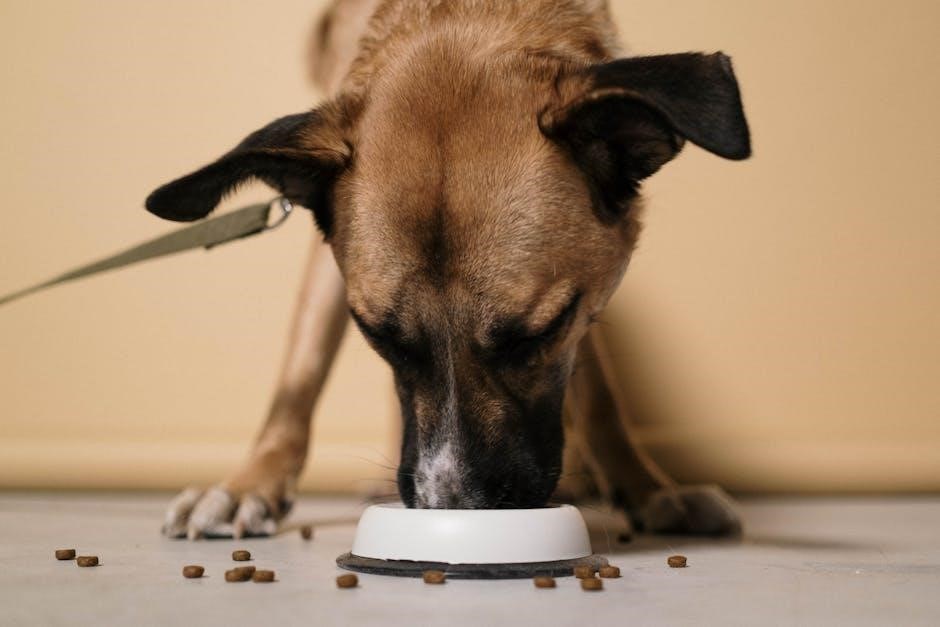
Continue monitoring your dog closely throughout this phase. By day seven, the goal is to have fully transitioned your dog to a 100% Cesar diet. Remember, patience is key. If you observe any adverse reactions, such as diarrhea or vomiting, slow down the transition process or consult your veterinarian. A slow and steady approach ensures a comfortable switch for your beloved companion.
Monitoring Your Dog During Transition
Careful observation of your dog is paramount during the transition to Cesar dog food. Pay close attention to two key indicators: stool quality and skin/coat condition. Healthy stool should be firm and well-formed; any signs of diarrhea or constipation warrant a slower transition pace. Similarly, monitor your dog’s skin for any signs of irritation, redness, or excessive scratching, and observe the coat for dullness or increased shedding.
These observations provide valuable insights into how well your dog is adapting to the new diet. A smooth transition typically results in consistent stool and a healthy, shiny coat. If you notice any concerning changes, don’t hesitate to adjust the feeding schedule or seek guidance from your veterinarian. Proactive monitoring ensures a positive dietary experience for your furry friend.
Stool Quality
Observing your dog’s stool is a crucial aspect of monitoring their transition to Cesar dog food. Ideally, stools should be firm, cylindrical, and easily picked up – a sign of efficient digestion. Any deviation from this norm requires attention; Diarrhea, characterized by loose or watery stools, suggests the transition is happening too quickly or the dog isn’t tolerating the new food well.
Conversely, constipation, indicated by hard, dry stools or straining during elimination, could mean insufficient fiber or dehydration. A gradual transition, coupled with adequate water intake, can often resolve these issues. Significant or persistent changes in stool quality should prompt a consultation with your veterinarian to rule out underlying health concerns. Consistent monitoring provides valuable feedback on your dog’s digestive health.
Skin and Coat Condition
A healthy diet significantly impacts your dog’s skin and coat, making it a vital indicator during a food transition with Cesar dog food. Look for a shiny, healthy coat and skin free from excessive dryness, flakiness, or redness. Dullness, increased shedding, or the development of itchy patches could signal an intolerance or allergy to an ingredient in the new food.
These changes might not appear immediately, so consistent observation over the transition period is essential. If you notice any adverse reactions, consider slowing down the transition or consulting your veterinarian. Cesar utilizes high-quality proteins, which contribute to skin and coat health, but individual sensitivities can still occur. A vibrant coat and comfortable skin are key signs of a successful dietary change.

Adjusting Portion Sizes
Determining the ideal Cesar dog food portion isn’t a one-time calculation; it requires ongoing assessment and adjustment. Regularly monitor your dog’s body condition – you should be able to feel their ribs easily without seeing them prominently. If your dog is gaining weight, slightly reduce the daily amount, and if they’re losing weight, increase it gradually.
Remember that the feeding guidelines are starting points, and individual metabolisms vary. Factors like seasonal changes and fluctuations in activity levels also necessitate adjustments. Consistent monitoring of weight and body condition, coupled with attentive observation of your dog’s energy levels and overall health, will help you fine-tune portion sizes for optimal well-being.
Recognizing Overfeeding
Overfeeding your dog with Cesar dog food, despite its quality, can lead to several health concerns. Watch for visible weight gain, a loss of discernible waistline, and difficulty feeling the ribs beneath a layer of fat. A consistently rounded appearance, rather than a clearly defined shape, is a key indicator.
Beyond physical changes, overfed dogs may exhibit decreased energy levels, increased panting, and a reluctance to engage in physical activity. They might also become more prone to digestive upset. Addressing overfeeding promptly is crucial to prevent obesity-related health issues like joint problems, diabetes, and heart disease. Adjust portion sizes accordingly and prioritize regular exercise.
Recognizing Underfeeding
Conversely, underfeeding your dog Cesar dog food can be equally detrimental. Signs of underfeeding include visible ribs, a prominent spine, and a generally thin body condition. A lack of body fat and a sunken appearance around the eyes are also concerning indicators. Your dog may display increased hunger, scavenging behavior, and a noticeable decrease in energy levels.
A dull coat and flaky skin can also signal insufficient nutrition. Underfed dogs may become lethargic and exhibit a weakened immune system, making them more susceptible to illness. It’s vital to gradually increase portion sizes if you suspect underfeeding, ensuring your dog receives adequate calories and nutrients to maintain a healthy weight and overall well-being.
Complementary Feeding vs. Complete Meals
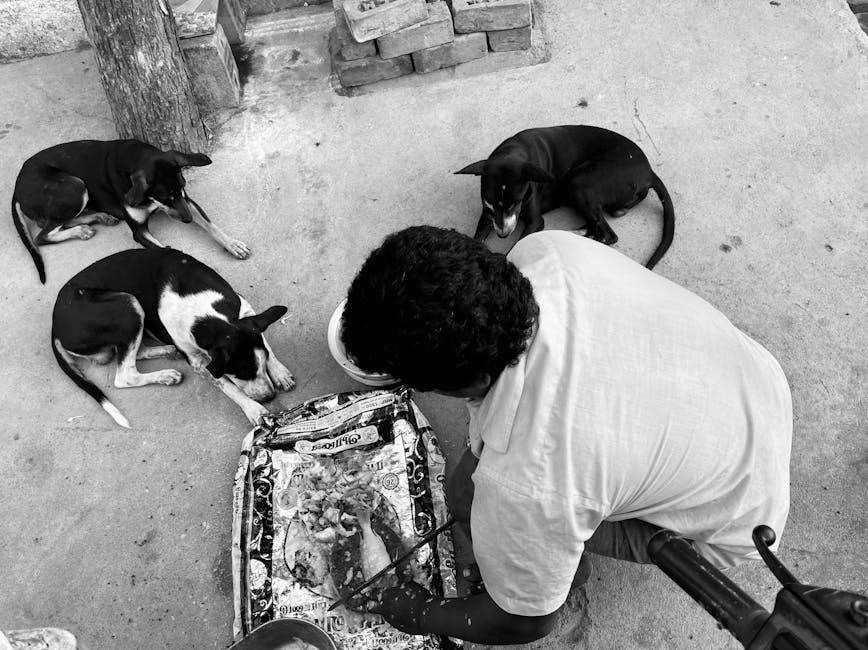
Understanding whether Cesar varieties function as complete meals or complementary foods is crucial for optimal canine nutrition. Some Cesar products are formulated to be 100% nutritionally complete and balanced, providing all the essential nutrients your dog needs. However, other varieties are designed as complementary foods or tasty snacks, intended to supplement a main meal rather than replace it entirely.
These complementary options often lack the full spectrum of vitamins and minerals required for a complete diet. Therefore, if using these varieties, ensure your dog receives a balanced meal alongside them. Always check the packaging to determine if a specific Cesar product is labeled as a complete and balanced meal, guiding your feeding decisions accordingly.
High-Quality Protein Sources in Cesar
Cesar wet dog food prioritizes high-quality proteins, utilizing sources like beef, chicken, turkey, pork, lamb, or duck as the primary ingredient in each recipe. This commitment to protein quality is fundamental for supporting your dog’s muscle development, energy levels, and overall health. These animal proteins provide essential amino acids, the building blocks of a healthy body.
The inclusion of these wholesome, fresh vegetables alongside the protein sources further enhances the nutritional profile of Cesar meals. Selecting a food with a clearly identified protein source as the first ingredient is a good indicator of quality. This focus on protein ensures your canine companion receives the nutrients needed to thrive, contributing to a vibrant and active lifestyle.
Calorie Content in Cesar Dog Food
Generally, a single serving of Cesar dog food typically contains approximately 80 to 100 calories. This calorie range can vary slightly depending on the specific variety and formulation of the product. Protein levels within Cesar recipes generally fall between 8% and 10%, providing essential amino acids for muscle maintenance and growth.
Furthermore, Cesar maintains a moderate fat content, usually ranging from 5% to 7%, contributing to energy levels and supporting healthy skin and coat. Understanding the calorie content is crucial for managing your dog’s weight and preventing over or underfeeding. It’s important to remember that these are average values, and individual needs will differ.
Specific Variety Considerations
Cesar offers a wide array of recipes, and it’s vital to recognize that not all varieties are created equal in terms of nutritional completeness. Some Cesar products are formulated as complete and balanced meals, suitable for serving as a dog’s primary food source. However, others are designed as complementary foods or tasty snacks, intended to supplement a main meal rather than replace it entirely.
When selecting a Cesar variety, carefully review the packaging to determine its intended use. If you’re unsure, consulting the feeding guidelines or your veterinarian is recommended. Adjust portion sizes accordingly, ensuring your dog receives a nutritionally balanced diet, even when incorporating Cesar snacks into their routine.
Consulting Your Veterinarian
While Cesar feeding guides provide a helpful starting point, every dog is an individual with unique nutritional needs. Consulting your veterinarian is crucial for tailoring a feeding plan specifically to your furry friend. They can assess your dog’s overall health, considering pre-existing conditions, allergies, or sensitivities that might influence dietary requirements.
Your vet can also help determine the ideal weight for your dog and adjust portion sizes accordingly. They can offer personalized recommendations based on your dog’s breed, metabolism, and lifestyle. Don’t hesitate to discuss any concerns you have about your dog’s diet or observe changes in their appetite or physical condition with your veterinarian for optimal health.
Resources for Further Information
For more detailed information regarding Cesar dog food and optimal feeding practices, several resources are readily available. The official Cesar website (https://www.cesarpet;com/) provides comprehensive feeding charts, product details, and nutritional information for both wet and dry food varieties. You can also find helpful articles and FAQs addressing common feeding concerns.

Additionally, veterinary websites like the American Kennel Club (https://www.akc.org/) and the Veterinary Nutritionists offer valuable insights into canine nutrition and dietary management. These resources can help you understand your dog’s specific needs and make informed decisions about their diet. Remember to always prioritize information from trusted and credible sources when researching your pet’s health.