Scuba Diving Wetsuit Thickness Guide ౼ Article Plan (12/24/2025 00:23:40)
This comprehensive guide details selecting the ideal wetsuit thickness for scuba diving‚ focusing on neoprene’s role in thermal protection and comfort underwater.
Choosing the right wetsuit thickness is crucial for diver safety and comfort‚ impacting thermal regulation and preventing hypothermia during underwater explorations.
Why Wetsuit Thickness Matters
Wetsuit thickness directly influences a diver’s ability to maintain a safe and comfortable body temperature while submerged. Water conducts heat away from the body much faster than air‚ leading to rapid cooling. A properly fitted wetsuit‚ with the appropriate thickness for the water conditions‚ creates a layer of insulation. This layer traps a thin film of water between the wetsuit and the skin‚ which the body then warms.

This warmed water layer provides the primary source of thermal protection. Insufficient thickness results in excessive heat loss‚ potentially leading to hypothermia‚ impaired judgment‚ and reduced physical capabilities. Conversely‚ excessive thickness can cause overheating and restrict movement. Therefore‚ selecting the correct thickness is paramount for enjoyable and safe diving experiences‚ ensuring optimal thermal balance throughout the dive.
Understanding Thermal Protection & Hypothermia Risk
Effective thermal protection is crucial in scuba diving‚ as even mild hypothermia can severely impair a diver’s cognitive and physical functions. Hypothermia occurs when the body loses heat faster than it can produce it‚ leading to a dangerous drop in core body temperature. Early symptoms include shivering‚ confusion‚ and loss of coordination.
Wetsuits mitigate this risk by providing insulation‚ but their effectiveness depends on thickness‚ fit‚ and water temperature. A compromised thermal state can affect buoyancy control‚ decision-making‚ and the ability to respond to emergencies. Understanding the stages of hypothermia and recognizing its symptoms are vital for diver safety. Proactive measures‚ like appropriate wetsuit selection and layering‚ are essential to prevent heat loss and maintain a safe diving environment.

Neoprene: The Core Material
Neoprene‚ a synthetic rubber‚ forms the foundation of most wetsuits‚ utilizing closed air cells to trap water and create an insulating barrier against the cold.
What is Neoprene and How Does it Work?
Neoprene is a synthetic rubber produced by polymerization of chloroprene. Unlike natural rubber‚ it boasts exceptional resistance to degradation from sunlight‚ ozone‚ and weather‚ making it ideal for aquatic environments.
Its functionality hinges on its cellular structure. Neoprene contains millions of tiny‚ gas-filled bubbles within its matrix. These closed-cell structures trap a thin layer of water between the wetsuit and your skin.
Your body heats this trapped water‚ creating a warm insulating layer. This isn’t about keeping water out; it’s about utilizing your body heat to warm the water in.
The neoprene itself doesn’t provide significant warmth; it merely minimizes heat loss to the surrounding colder water. The thickness of the neoprene directly impacts the amount of water trapped and‚ consequently‚ the level of insulation provided.
Neoprene Types: Closed-Cell vs. Open-Cell
Neoprene exists in two primary cellular structures: closed-cell and open-cell‚ each offering distinct advantages and disadvantages for scuba diving. Closed-cell neoprene features cells that are fully sealed‚ preventing water from penetrating the material itself.
This type is more durable‚ requires less maintenance‚ and is generally more affordable. Open-cell neoprene‚ conversely‚ possesses cells that are interconnected‚ allowing a small amount of water to permeate the material.
While seemingly counterintuitive‚ this allows for a tighter‚ more flexible fit and enhanced thermal efficiency as less water needs to be warmed by the diver’s body heat.
However‚ open-cell suits require more care‚ often needing regular rinsing and specialized wetsuit lubricants to maintain their integrity and prevent excessive water absorption.
Common Wetsuit Thicknesses Explained
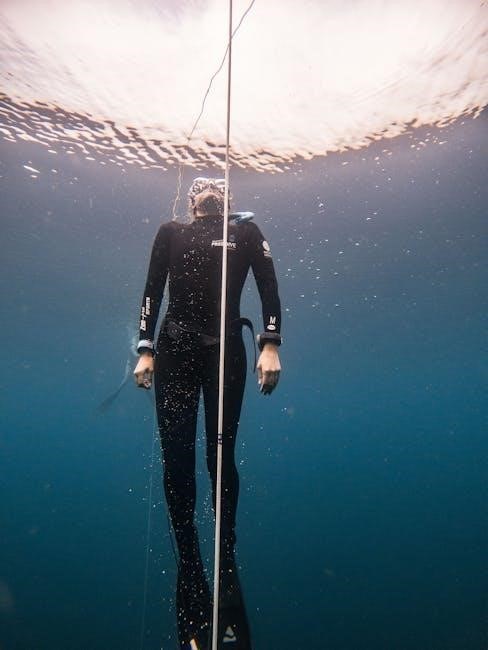
Exploring standard wetsuit thicknesses – 3mm‚ 5mm‚ and 7mm – reveals how each provides varying levels of thermal protection for diverse diving conditions.
3mm Wetsuits: Warm Water Diving
Ideal for tropical and warm temperate waters‚ 3mm wetsuits offer a balance of flexibility and mild thermal protection. These suits are perfect when water temperatures consistently exceed 75°F (24°C). The thinner neoprene allows for greater freedom of movement‚ crucial for intricate reef exploration and comfortable diving experiences.
However‚ 3mm suits provide limited insulation‚ meaning prolonged exposure to cooler currents or deeper dives can lead to discomfort. They are often favored by divers who prioritize agility and don’t require substantial warmth. Many divers also choose 3mm suits for surface water sports‚ like snorkeling or paddleboarding‚ where full thermal protection isn’t necessary. Consider a rash guard or light layering for added comfort in slightly cooler conditions.
5mm Wetsuits: Versatile‚ Tropical to Subtropical
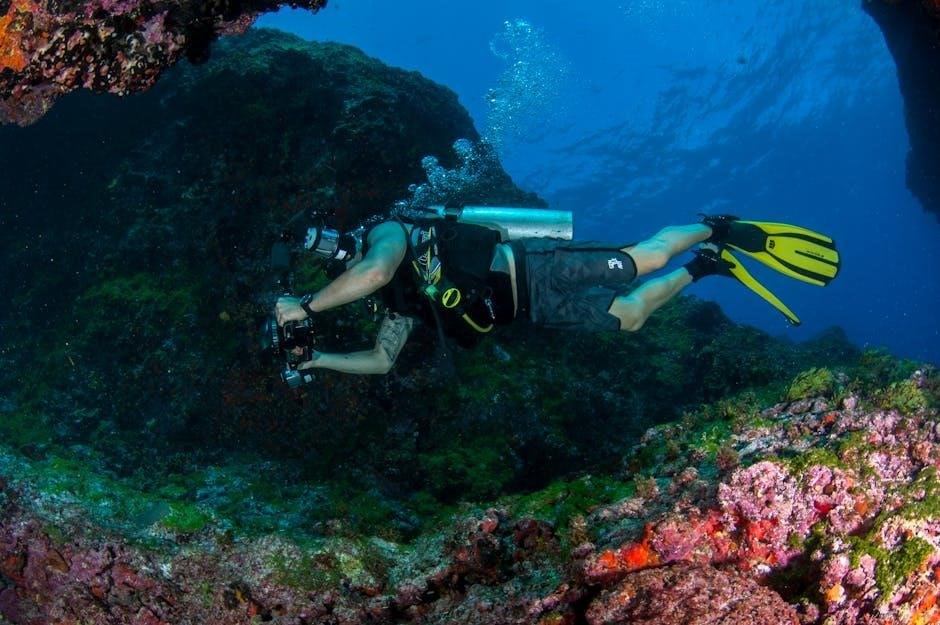
The 5mm wetsuit represents a sweet spot for many divers‚ offering versatility across a wider range of water temperatures – typically between 68°F (20°C) and 80°F (27°C). This thickness provides a noticeable increase in thermal protection compared to 3mm suits‚ making them suitable for subtropical environments and extending dive times in moderately warm waters.
5mm neoprene strikes a good balance between warmth and flexibility‚ allowing for comfortable movement while mitigating the risk of hypothermia during longer dives. They are a popular choice for divers traveling to various locations with fluctuating water temperatures. Divers often pair 5mm suits with a shorty or vest for added warmth in cooler conditions‚ or remove layers when the water warms up. This adaptability makes them a valuable investment for frequent divers.
7mm Wetsuits: Cooler Waters & Extended Dives
Stepping up to a 7mm wetsuit provides substantial thermal protection‚ ideal for diving in cooler waters generally ranging from 50°F (10°C) to 68°F (20°C). This increased thickness is crucial for maintaining core body temperature during prolonged exposure to colder environments‚ significantly reducing the risk of hypothermia. They are frequently chosen for dives in temperate regions or during seasons when water temperatures drop.
7mm suits are also beneficial for divers who tend to get cold easily or those planning extended dives at depth. While offering greater warmth‚ they are less flexible than thinner wetsuits‚ so consider your activity level and comfort preferences. Many divers complement 7mm suits with hoods‚ gloves‚ and boots to maximize thermal protection and enjoy comfortable‚ safe diving experiences in challenging conditions.

Factors Influencing Wetsuit Choice Beyond Thickness
Beyond neoprene thickness‚ diver metabolism‚ body fat‚ dive duration‚ and water depth significantly impact thermal needs and optimal wetsuit selection for comfort.
Water Temperature: The Primary Factor
Water temperature is undeniably the most crucial element when determining the appropriate wetsuit thickness for any scuba diving excursion. Colder waters demand thicker neoprene to maintain core body temperature and prevent hypothermia‚ while warmer waters allow for thinner suits offering greater flexibility and less restriction of movement. Generally‚ water temperatures between 77-86°F (25-30°C) are considered warm enough for a 3mm wetsuit‚ providing sufficient insulation for most divers.
As temperatures drop between 68-77°F (20-25°C)‚ a 5mm wetsuit becomes a more suitable choice‚ offering increased thermal protection for longer dives or those prone to feeling cold. Below 68°F (20°C)‚ a 7mm wetsuit‚ potentially combined with additional layers like a hood and gloves‚ is highly recommended to mitigate the risk of hypothermia and ensure a safe and comfortable dive experience. Remember to always consider personal cold tolerance when making your final decision.
Diver Metabolism & Body Fat Percentage
Individual physiological factors significantly influence how a diver perceives cold and‚ consequently‚ the wetsuit thickness required. A diver with a higher metabolism generates more body heat‚ potentially requiring less neoprene insulation than someone with a slower metabolic rate. Similarly‚ body fat percentage plays a vital role; individuals with higher body fat have increased natural insulation‚ reducing the need for a thicker wetsuit.
Leaner divers‚ conversely‚ lose heat more rapidly and should consider opting for a thicker suit or layering options. It’s essential to honestly assess your body composition and metabolic rate. If you consistently feel cold during dives‚ even with a seemingly appropriate wetsuit‚ consider increasing the thickness or adding thermal undergarments. Personal comfort and maintaining a safe core body temperature are paramount‚ overriding generalized recommendations.
Dive Duration & Depth
The length of your dive and the maximum depth you plan to reach are crucial considerations when selecting wetsuit thickness. Longer dives necessitate greater thermal protection‚ as the body loses heat over extended periods underwater. Deeper dives experience increased pressure‚ compressing the neoprene and reducing its insulating capabilities. This compression means a 5mm wetsuit at 60 feet will offer less warmth than at the surface.
Therefore‚ for prolonged or deeper dives‚ opting for a thicker wetsuit is advisable. Conversely‚ shorter‚ shallower dives may allow for a thinner‚ more flexible suit. Always factor in potential decompression stops‚ as these extended periods at depth demand consistent thermal regulation. Planning your dive profile and anticipating potential variations is key to choosing the appropriate wetsuit for optimal comfort and safety.
Layering for Optimal Thermal Protection
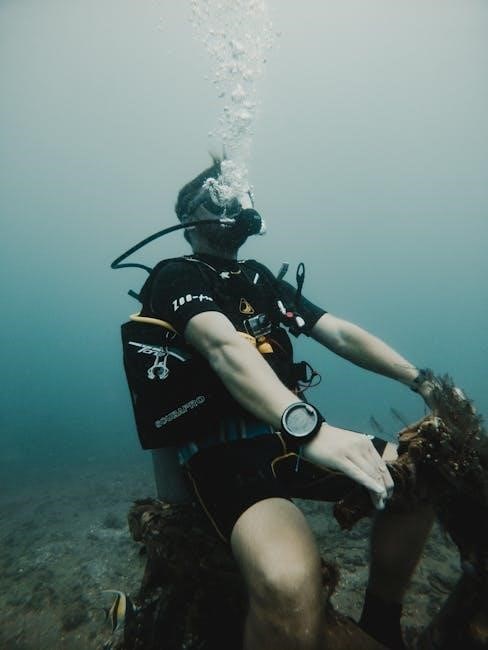
Strategic layering significantly enhances warmth and flexibility‚ allowing divers to customize thermal protection based on specific conditions and personal preferences.
Using a Hood‚ Gloves & Boots
Essential accessories like hoods‚ gloves‚ and boots dramatically improve thermal protection‚ especially in cooler waters. A significant amount of heat is lost from the head‚ making a hood crucial for maintaining core body temperature.
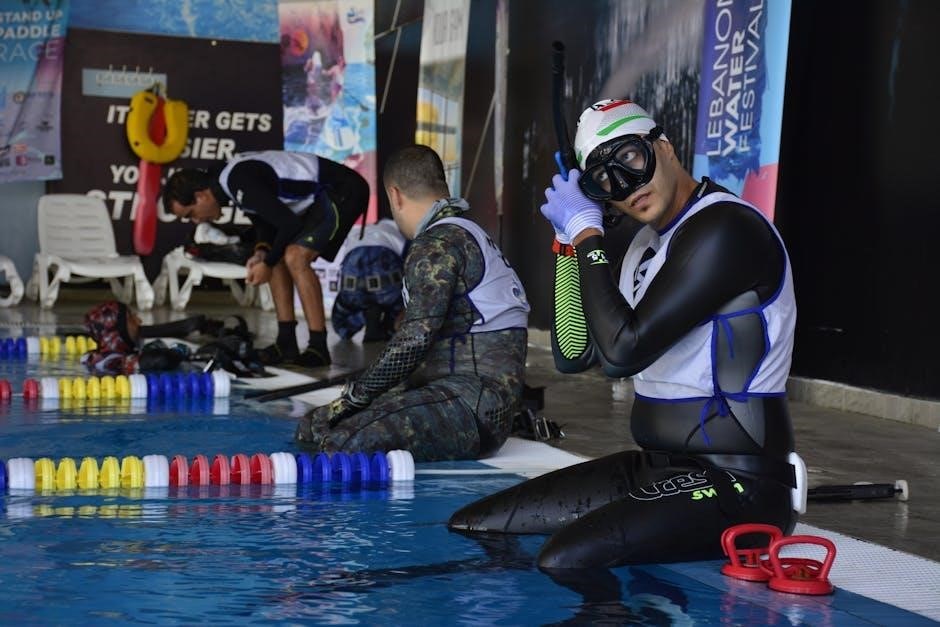
Neoprene hoods come in varying thicknesses‚ often matching or exceeding the wetsuit thickness. Gloves protect hands from cold and abrasion‚ with options ranging from thin‚ flexible gloves for warm water to thicker‚ insulated gloves for colder conditions.
Boots are vital for protecting feet from the cold and providing traction on various surfaces. Consider the sole thickness and overall fit for optimal comfort and performance. Layering these accessories allows divers to extend the usability of their wetsuit into a wider range of water temperatures‚ enhancing safety and enjoyment.
Wetsuit Vests & Shorts for Fine-Tuning
Wetsuit vests and shorts offer a versatile way to adjust thermal protection‚ providing targeted warmth without the commitment of a full wetsuit. These accessories are ideal for layering‚ allowing divers to customize their setup based on specific conditions and personal preferences.
A vest adds core warmth‚ beneficial in slightly cooler waters or for extending the range of a thinner wetsuit. Shorts can provide additional leg protection‚ particularly useful during longer dives or in areas with potential for abrasion.
Combining vests and shorts allows for precise temperature regulation‚ ensuring comfort and preventing overheating or chilling. They are also convenient for travel‚ taking up minimal space and offering flexibility for varying dive environments.
Advanced Wetsuit Technologies
Modern wetsuits incorporate innovative linings and water-trapping designs‚ enhancing thermal performance and diver comfort beyond basic neoprene thickness considerations.
Thermal Linings (e.g.‚ Smoothskin‚ Plush)
Beyond the neoprene itself‚ the internal lining of a wetsuit significantly impacts warmth. Smoothskin linings‚ often found on hoods‚ gloves‚ and internal wetsuit areas‚ minimize water flushing and maximize heat retention by creating a tighter seal against the skin.
Plush linings‚ conversely‚ offer exceptional comfort and a moderate increase in thermal protection. The fuzzy texture traps a thin layer of water‚ which your body heats‚ providing an extra layer of insulation. However‚ plush can sometimes compromise the suit’s flexibility.
Some high-end wetsuits utilize both technologies strategically – smoothskin in critical areas like the neck and wrists‚ and plush elsewhere for enhanced comfort during longer dives. The choice depends on diving conditions and personal preference‚ balancing warmth‚ flexibility‚ and comfort.
Water Trapping Technologies
Modern wetsuit designs increasingly incorporate technologies aimed at maximizing the insulating effect of trapped water. These systems move beyond simple neoprene thickness‚ focusing on how water interacts with the suit’s interior. One common approach involves textured inner linings that create microscopic channels.
These channels encourage a thin layer of water to become trapped between the skin and the neoprene‚ and the body quickly warms this layer‚ providing significant insulation. Another technique utilizes strategically placed panels with varying textures to control water flow and minimize flushing.
Manufacturers are constantly innovating‚ exploring new materials and designs to optimize water trapping and enhance thermal protection‚ ultimately extending dive times and improving diver comfort in colder conditions.