The Acura TSX’s transmission, whether automatic or manual, is a critical component impacting driving experience and vehicle longevity; understanding its nuances is key.
Overview of the TSX Transmission Systems
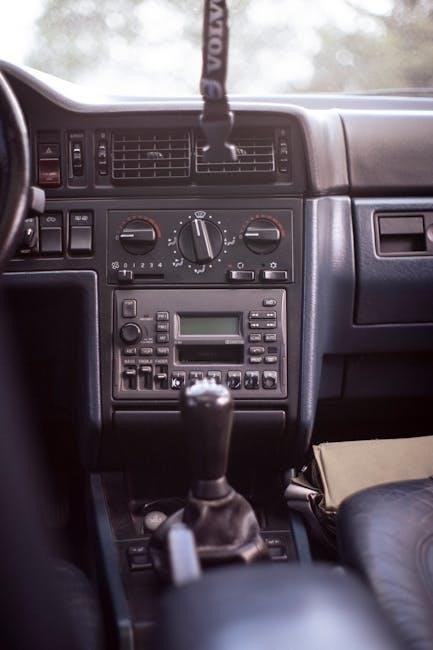
The Acura TSX, spanning several model years, offered both automatic and manual transmission options, each with distinct characteristics. The manual transmissions, favored by driving enthusiasts, typically feature a five- or six-speed configuration, providing a more direct connection to the engine and enhanced control. These systems prioritize driver engagement and responsiveness. However, the TSX manual transmissions are known for a unique issue: shaft stretch occurring with vigorous driving, potentially leading to engagement problems.
Conversely, the automatic transmissions, prevalent in most TSX models, prioritize convenience and ease of use. These are generally five-speed units. Both systems are integral to the vehicle’s overall performance, and understanding their individual strengths and weaknesses is crucial for proper maintenance and troubleshooting.
Common Transmission Types in TSX Models (Automatic & Manual)
The Acura TSX predominantly featured a five-speed automatic transmission, offering smooth shifts and convenience for daily driving. However, a six-speed manual transmission was also available, particularly appealing to drivers seeking a more engaging experience. The manual gearbox provides direct control and a sportier feel, though it requires more driver involvement. A notable characteristic of the TSX manual transmission is its susceptibility to shaft stretch under aggressive driving conditions.
This unique issue can manifest as difficulty engaging gears. Both transmission types contribute to the TSX’s overall driving dynamics, but the manual version caters to a specific segment prioritizing performance and control over automated convenience. Regular maintenance is vital for both systems.

Automatic Transmission Issues in the Acura TSX
While focusing on automatic issues, understanding the manual TSX transmission’s robustness provides contrast; it generally exhibits fewer widespread failures compared to its automatic counterpart.

Flashing ‘D’ Light: Causes and Diagnosis
A flashing ‘D’ light on the Acura TSX’s dashboard typically signals a significant problem within the automatic transmission system, though it’s less relevant when discussing the manual variant. This often indicates erratic or inconsistent transmission operation, potentially stemming from a failing solenoid, low transmission fluid, or internal mechanical damage.
Diagnosis begins with a thorough check of the transmission fluid level and condition; low or burnt fluid can trigger the light. Utilizing an OBD-II scanner to retrieve diagnostic trouble codes (DTCs) is crucial, as these codes pinpoint the source of the issue. Common codes relate to solenoid malfunctions or torque converter problems.
However, it’s important to note that a flashing ‘D’ light can sometimes indicate a more serious issue requiring professional attention, potentially leading to transmission repair or replacement. Ignoring this warning can exacerbate the problem and lead to complete transmission failure.
Transmission Slipping and Jerking: Symptoms and Solutions
While more commonly associated with automatic transmissions, slipping and jerking can manifest in Acura TSX manual transmissions, albeit differently. Slipping, in a manual context, often presents as difficulty engaging a gear or the clutch momentarily disengaging under load. Jerking typically indicates worn synchronizers, causing harsh shifts between gears.
Solutions for a manual TSX experiencing these symptoms often involve inspecting the clutch assembly for wear or damage, including the pressure plate, throw-out bearing, and clutch disc. Worn synchronizers require transmission disassembly and replacement. A unique TSX manual transmission issue is shaft stretch with vigorous driving, necessitating professional assessment.
Proper clutch cable adjustment (if applicable) and ensuring sufficient hydraulic fluid in the clutch system are also vital steps. Ignoring these issues can lead to further damage and potentially complete transmission failure, impacting drivability and safety.
Sluggish Transmission Performance: Identifying the Root Cause
Sluggishness in a TSX manual transmission doesn’t present as a traditional “slip” but rather difficulty smoothly engaging gears or a general feeling of resistance during shifts. This can stem from several sources, differing from automatic transmission issues. A primary suspect is degraded or contaminated transmission fluid – though less frequent in manuals, it’s crucial for lubrication.
Internal wear, particularly within the synchronizers, contributes significantly to sluggish performance, making gear changes less precise and requiring more effort. The unique TSX manual transmission shaft stretch, occurring with aggressive driving, can also induce this sensation. Inspecting the clutch linkage for binding or improper adjustment is also essential.
A thorough inspection by a qualified mechanic is recommended to pinpoint the exact cause, as multiple factors can contribute to this issue, impacting the overall driving experience.
Automatic Transmission Fluid (ATF) – Importance and Maintenance
While primarily discussed for automatic transmissions, understanding fluid’s role is vital even for the TSX’s manual gearbox. Though a manual transmission doesn’t rely on hydraulic pressure like an automatic, specialized gear oil is crucial for lubricating internal components – gears, bearings, and synchronizers. Neglecting this fluid leads to increased wear and eventual failure.
Regular checks, though less frequent than with ATF, are still recommended. Inspect for contamination or a low fluid level. Unlike automatic transmissions, there isn’t a dipstick for easy checking; it requires removing a fill plug. Recommended change intervals vary, but generally, every 30,000 to 60,000 miles is advised, using the manufacturer-specified gear oil.
Maintaining proper fluid levels and condition significantly extends the life of the manual transmission, ensuring smooth and reliable operation.
Checking ATF Level and Condition
Although this section focuses on Automatic Transmission Fluid (ATF), understanding fluid checks is beneficial for all TSX transmissions, including manual ones. For manual transmissions, checking the gear oil level isn’t as straightforward as with ATF. Unlike automatics, there’s typically no dipstick. Instead, locate the fill and check plugs on the transmission casing.
With the vehicle on a level surface, and the engine cool, remove the check plug. Fluid should be level with the plug’s opening. If it’s low, remove the fill plug and add gear oil until it reaches the correct level. Inspect the fluid’s condition – it should be clean and free of metallic particles. Dark, sludgy fluid indicates a need for a change.
Regularly monitoring gear oil condition helps prevent premature wear and ensures optimal manual transmission performance.
ATF Change Intervals and Recommended Fluids
While this section specifically addresses Automatic Transmission Fluid (ATF), maintaining proper lubrication is crucial for all TSX transmissions, including manual variants. Manual transmissions utilize gear oil, not ATF. Acura recommends changing the ATF in automatic TSX models every 30,000 to 60,000 miles, depending on driving conditions – severe driving necessitates more frequent changes.
For manual transmissions, gear oil change intervals typically fall between 30,000 and 50,000 miles. Always use Honda/Acura Genuine ATF-DW1 for automatic transmissions. For manual transmissions, consult your owner’s manual or a trusted mechanic for the correct GL-4 gear oil specification. Using the incorrect fluid can cause significant damage.
Prioritizing fluid maintenance extends transmission life and ensures smooth operation.

Manual Transmission Problems in the Acura TSX
TSX manual transmissions can experience worn synchros, broken parts, and a unique issue: shaft stretch occurring with particularly aggressive and spirited driving styles.
Worn Synchros and Broken Parts: Common Manual Transmission Failures
The Acura TSX’s manual transmission, while generally robust, isn’t immune to the typical wear and tear associated with a mechanical system subjected to repeated use. Worn synchronizers, or “synchros,” are a frequent culprit behind difficulty shifting, particularly into specific gears. These components ensure smooth gear engagement by matching the speeds of the gears before they mesh. Over time, friction degrades the synchro’s ability to perform this function effectively, leading to grinding or a reluctance to shift.
Beyond synchros, broken parts within the transmission – such as shift forks, gears themselves, or bearings – can also cause significant problems. These failures often manifest as loud noises, complete inability to shift, or a feeling of looseness in the shifter. Aggressive shifting habits and neglecting regular maintenance can accelerate the deterioration of these internal components, ultimately leading to costly repairs or a complete transmission replacement.
Unique TSX Manual Transmission Problem: Shaft Stretch with Vigorous Driving
A peculiar issue affecting the Acura TSX’s manual transmission, particularly those frequently driven with enthusiasm, is a phenomenon known as shaft stretch. This isn’t a bending or breaking of the shaft, but rather a subtle elongation of the input or output shaft under repeated stress. Vigorous acceleration, hard launches, and consistent high-RPM driving contribute to this stretch over time.
The consequence of this shaft stretch is often difficulty engaging gears, especially first and reverse. The increased length alters the internal clearances within the transmission, making it harder for the shift forks to fully engage the gears. While not an immediate catastrophic failure, it’s a progressive issue that worsens with continued aggressive driving. Addressing this typically requires transmission disassembly and replacement of the affected shaft, highlighting the importance of mindful driving habits.
Troubleshooting Manual Transmission Engagement Issues
When encountering difficulty engaging gears in your Acura TSX’s manual transmission, a systematic approach to troubleshooting is crucial. Begin by verifying sufficient transmission fluid level – though less common in manuals, low fluid can contribute to issues. Inspect the shift linkage for any looseness or damage, as this directly impacts shifter feel and engagement.
Next, consider the clutch. Ensure proper clutch adjustment and rule out a failing master or slave cylinder. Worn synchros, a common failure point, manifest as grinding or difficulty selecting specific gears. If the problem persists, internal inspection for broken parts or the aforementioned shaft stretch (unique to the TSX) may be necessary. A mechanic specializing in manual transmissions can accurately diagnose the root cause and recommend appropriate repairs.

Transmission Fluid Leaks in the Acura TSX
Leaks, a frequent sign needing attention, can indicate a transmission fluid change or potentially signal more serious internal transmission damage within the TSX.
Identifying the Source of Transmission Fluid Leaks
Pinpointing the origin of a transmission fluid leak in a TSX, particularly a manual transmission model, requires a careful inspection; Common leak locations include the input and output shaft seals, the rear main seal, and potentially around the shift linkage or drain plug. A thorough visual examination, utilizing a bright light, is crucial to locate the precise source.
Look for fluid trails on the transmission casing itself, as well as on surrounding components like the driveshaft and exhaust system. Pay close attention to areas where two transmission parts join. Sometimes, fluid can drip from a higher point and appear to originate elsewhere. Clean the transmission casing to better visualize fresh leaks. Using UV dye added to the transmission fluid can also help reveal even small, hard-to-spot leaks under a UV light.
Impact of Low Fluid Levels on Transmission Performance
For a TSX with a manual transmission, insufficient fluid levels dramatically impact performance and can lead to significant damage. Low fluid compromises the lubrication of gears and bearings, increasing friction and wear. This manifests as difficulty shifting, particularly into specific gears, and a grinding or clunking noise during gear engagement.
Reduced fluid also diminishes the hydraulic pressure needed for smooth clutch operation, causing slipping or complete clutch failure. Over time, this accelerates component wear and can result in costly repairs. Ignoring low fluid levels can lead to catastrophic transmission failure, necessitating a complete rebuild or replacement. Regularly checking and maintaining the correct fluid level is paramount for the longevity and reliable operation of your TSX’s manual transmission.

Repair and Replacement Options
For manual TSX transmissions, repair options range from synchro replacement to a full rebuild; replacement involves new or rebuilt units, impacting cost significantly.
Cost of Common TSX Transmission Repairs
Repair costs for a TSX manual transmission vary widely depending on the issue and labor rates. Replacing worn synchros, a frequent problem, typically ranges from $800 to $1,500, including parts and labor. Addressing the unique TSX issue of shaft stretch, requiring specialized attention, can fall between $1,200 and $2,000.
More extensive repairs, like rebuilding the entire transmission due to broken gears or significant wear, can easily exceed $2,500 to $3,500. Diagnostic fees, usually around $100-$200, are separate. These estimates don’t include potential costs for related components, such as the clutch, which often needs replacement alongside transmission work. Always obtain multiple quotes from reputable shops for accurate pricing.
Transmission Replacement: New vs. Rebuilt
When a TSX manual transmission is beyond repair, owners face the choice between a new and a rebuilt unit. A new transmission offers the longest potential lifespan and typically comes with an extended warranty, but the cost is significantly higher – often exceeding $3,500 to $5,000 installed.
A rebuilt transmission, sourced from a reputable supplier, provides a more budget-friendly option, generally ranging from $1,800 to $3,000 installed. Rebuilt units utilize refurbished parts with replacements for critical wear items. While the longevity might not match a new unit, a quality rebuild with a solid warranty can be a reliable solution. Consider the vehicle’s overall condition and intended use when making this decision.

Preventative Maintenance for TSX Transmissions
Regularly checking and changing the transmission fluid is crucial for a manual TSX, alongside adopting smooth driving habits to maximize longevity.
Regular Fluid Checks and Changes
For Acura TSX models equipped with a manual transmission, diligent fluid maintenance is paramount to preventing premature wear and ensuring optimal performance. Unlike automatic transmissions, manual transmissions don’t have the same frequent fluid change intervals, but neglect isn’t an option. Inspect the fluid level periodically – typically, a dipstick is present for this purpose.
The fluid should be a clear amber color; if it appears dark, murky, or contains metallic particles, a change is necessary. A complete fluid flush and fill should be considered every 30,000 to 60,000 miles, depending on driving conditions. Using the correct fluid type, specified in your owner’s manual, is absolutely critical. Incorrect fluid can lead to synchro issues and accelerated component failure. Consistent monitoring and timely fluid changes are inexpensive preventative measures that can save you from costly repairs down the road.
Driving Habits to Prolong Transmission Life

To maximize the lifespan of your Acura TSX’s manual transmission, adopting mindful driving habits is essential. Avoid harsh and aggressive shifting, as this places undue stress on the synchronizers and gears. Smooth, deliberate clutch engagement and gear changes minimize wear. “Speed shifting” or forcing gears can lead to component damage, particularly the unique shaft stretch issue reported in TSX models with vigorous driving.
Similarly, refrain from “dumping” the clutch, especially at higher RPMs. Avoid prolonged periods of riding the clutch, such as when stopped in traffic; this generates excessive heat and accelerates clutch disc wear. Gentle acceleration and deceleration contribute to a healthier transmission. Regular, smooth operation is the key to long-term reliability and preventing costly repairs.