Creosote logs are treated timber pieces infused with a preservative that resists decay and insects. They are popular for outdoor structures‚ fencing‚ and landscaping where moisture and pests pose a threat. Their longevity and low maintenance make them a practical choice. Ideal for long-term projects. and
Historical Background
Creosote‚ a by‑product of coal tar distillation‚ first entered timber preservation in the late 19th century. The technique quickly spread to railroads‚ where creosote‑treated ties were essential for maintaining track integrity in damp climates. By the 1920s‚ the U.S. Forest Service adopted creosote treatment for utility poles and firebreaks‚ citing its resistance to fungal rot and insect attack. In Europe‚ the German company IG Farben pioneered large‑scale production of creosote‑treated lumber for industrial use. The 1930s saw the introduction of the first commercial creosote log manufacturing plants‚ which standardized log dimensions and treatment protocols. Post‑World War II‚ the demand for durable outdoor structures surged‚ and creosote logs became common in residential and commercial landscaping. However‚ environmental concerns emerged in the 1970s‚ prompting stricter regulations on creosote use. These early innovations laid the groundwork for modern log preservation. It remains vital for all.
In maritime contexts‚ creosote‑treated timber was essential for ship hulls and docks‚ providing a protective layer against marine organisms. The 1950s introduced the first creosote‑impregnated composite boards‚ expanding applications to decking and furniture. Advances in solvent extraction improved treatment uniformity‚ reducing surface tackiness and enhancing worker safety. The 1990s brought “green” creosote alternatives with bio‑based solvents to lower VOC emissions. Today‚ creosote logs are manufactured under stringent quality controls‚ with FSC and ISO certifications ensuring sustainable sourcing and environmental compliance. These developments illustrate how creosote treatment has evolved while maintaining its protective function.
Common Uses
Beyond structural roles‚ creosote logs are employed as fire‑retardant barriers in commercial kitchens‚ as sound‑absorbing panels in industrial warehouses‚ and as protective cladding for greenhouse frames. They are also used in the construction of windbreaks and erosion control walls‚ where their resistance to rot ensures longevity even in wet climates. In residential landscaping‚ owners often use creosote logs as decorative garden posts‚ pergola columns‚ and as fire‑proof stakes for outdoor cooking areas. Their low maintenance profile makes them ideal for DIY projects that require a durable‚ low‑cost solution that can withstand harsh weather and insect activity for decades.
These logs also serve as windbreaks‚ reducing air and protecting small tiny plants!

Materials Needed for Creosote Log Production
Essential items include seasoned hardwood logs‚ a high‑grade creosote concentrate‚ protective gloves‚ a mixing bucket‚ a sturdy drill with a mixing attachment‚ a brush or spray nozzle‚ a heat‑resistant sealant‚ safety goggles‚ and a well‑ventilated workspace.
Wood Types
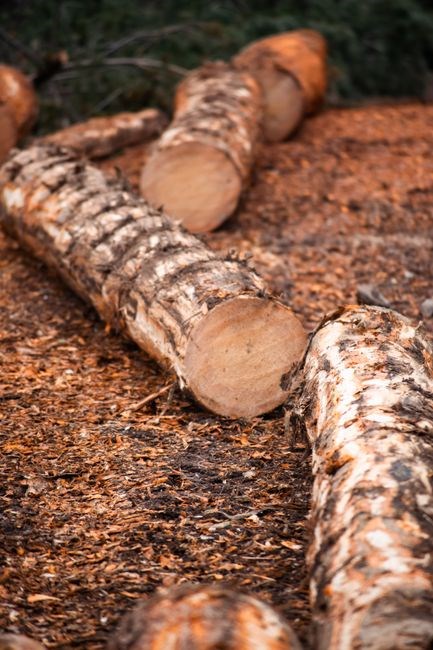
Choosing the right timber is critical for durability and performance. Hardwoods such as oak‚ hickory‚ and maple offer dense grain structures that resist cracking and absorb less creosote‚ ensuring a uniform finish. Softwoods like pine‚ spruce‚ and fir are more economical but require higher preservative concentrations to achieve comparable longevity. Cedar and redwood contain natural oils that complement creosote’s protective properties‚ reducing the need for additional sealants. When selecting logs‚ prioritize seasoned‚ straight‑grained pieces that have been kiln‑dried to minimize moisture content. This reduces the risk of warping after treatment. Additionally‚ avoid logs with knots or splits‚ as these can create weak points where pests may infiltrate. For outdoor applications‚ consider using pressure‑treated lumber that has already undergone a chemical preservation process; this can enhance the overall resistance to decay when combined with creosote. Always source timber from reputable suppliers who certify the wood’s provenance and treatment history. Properly identifying the species and verifying its condition will ensure that the final creosote log meets the required structural and aesthetic standards for long‑term use. Selecting timber from certified sustainable forests not only supports responsible forestry practices but also guarantees that the wood meets stringent environmental standards‚ ensuring that the creosote log will perform reliably for decades while minimizing ecological impact. This aligns with industry best practices..
Creosote Concentrate
Creosote concentrate is a liquid preservative derived from coal tar or petroleum sources‚ formulated to penetrate wood fibers and inhibit decay‚ mold‚ and insect attack. Commercial grades range from 10 % to 30 % active resin‚ with higher percentages offering deeper penetration but requiring stricter handling protocols. For residential creosote log production‚ a 15 % to 20 % concentrate is typically sufficient‚ balancing efficacy and cost. The concentrate is usually supplied in a 5‑gal or 10‑gal tank‚ and should be stored in a cool‚ dry place‚ away from direct sunlight and ignition sources. Before use‚ the concentrate must be diluted with a compatible solvent—often a light oil or water‑based emulsion—to achieve a final viscosity that allows uniform coating without dripping. A common dilution ratio is 1 part concentrate to 4 parts solvent‚ though manufacturers may recommend variations based on wood species and desired finish. Mixing should be performed in a well‑ventilated area‚ using a mechanical stirrer or a hand‑held mixing device to ensure homogeneity. The resulting solution should be free of bubbles and exhibit a consistent sheen. When applying‚ the concentrate is brushed or sprayed onto the wood surface‚ ensuring full coverage of all grain surfaces. After application‚ the wood should be allowed to dry for at least 24 hours before handling‚ and a second coat may be applied after 48 hours for maximum protection. Proper safety gear—including gloves‚ goggles‚ and a respirator—is mandatory during handling and application‚ as the fumes are hazardous. and care!!
Tools Required
To produce durable creosote logs‚ a specific set of tools ensures even impregnation‚ safety‚ and finish quality. First‚ a sturdy workbench or flat surface protects the workspace and allows the log to be positioned securely. A high‑speed drill with a 1‑inch flat bit is essential for pre‑drilling holes that enable the concentrate to seep deeper into the grain. A calibrated paint roller or a high‑density foam brush guarantees a uniform coat; foam is preferred for its ability to glide over rough surfaces without leaving streaks. For mixing‚ a 5‑gal stainless‑steel tank equipped with a magnetic stirrer or a hand‑held mixing paddle keeps the solution homogeneous and prevents sedimentation. A precision spray gun or a pressure‑regulated hand sprayer offers control over droplet size and coverage especially when working with thicker concentrates; Personal protective equipment (PPE) is non‑negotiable: nitrile gloves‚ chemical‑resistant goggles‚ a full‑face respirator with organic vapor cartridges‚ and flame‑retardant coveralls shield the operator from fumes and splashes. A portable fan or a small exhaust system improves ventilation during application‚ reducing inhalation risks. Finally‚ a digital thermometer monitors the concentrate’s temperature‚ ensuring it stays within the optimal 50–70 °F range for viscosity and absorption. These tools collectively guarantee that the creosote log process is efficient‚ safe‚ and produces a product that resists rot‚ insects‚ and environmental stressors for years to come. All steps should be followed precisely to ensure durability.

Step-by-Step Construction Process
Begin by selecting seasoned hardwood. Cut logs to desired length‚ then drill evenly spaced holes. Mix creosote concentrate with solvent until smooth. Apply mixture using a foam roller‚ ensuring full coverage. Allow logs to dry in a shaded area for 48 hours before use.
Preparing the Wood
Choosing the right timber is the first step in creating durable creosote logs. Hardwood species such as oak‚ maple‚ or hickory are preferred because of their dense grain and natural resistance to rot. Start by sourcing logs that have been kiln‑dried to a moisture content of 12% or less; this reduces the risk of warping after treatment. Once you have your raw material‚ trim the logs to the desired length using a chainsaw or a hand saw‚ ensuring that each piece is uniform to facilitate even application of the preservative. After cutting‚ drill a series of evenly spaced holes along the length of each log. The holes should be about 1/4 inch in diameter and spaced roughly 4 inches apart; they allow the creosote to penetrate deeper into the wood fibers. Next‚ sand the surface lightly with a 120‑grit sandpaper to remove any splinters or rough patches that could impede the absorption of the preservative. A smooth surface also helps the creosote spread more uniformly. Finally‚ clean the logs with a damp cloth to remove dust and debris‚ then allow them to dry completely before proceeding to the mixing stage. This meticulous preparation ensures that the creosote bonds effectively‚ extending the life of the logs in outdoor environments. After the logs dry‚ inspect each piece for any remaining surface residue. If necessary‚ wipe them with a clean rag to remove excess preservative. Store the finished logs in a dry‚ ventilated area until they are ready for use. Proper storage prevents moisture absorption and preserves the integrity of the treatment.
Mixing the Creosote
To achieve an even distribution of preservative‚ begin by measuring the required volume of creosote concentrate. A typical ratio is 1 part creosote to 3 parts water‚ but consult the manufacturer’s guidelines for the specific product you are using. Pour the water into a clean‚ non‑metallic mixing tub and stir it with a long‑handle paddle until it is uniform. Next‚ add the creosote slowly‚ allowing it to emulsify. Use a mixing drill with a paddle attachment to ensure the solution remains stable; agitation for at least 10 minutes is recommended. If the concentrate is viscous‚ pre‑heat it gently in a double‑boiler to reduce viscosity before mixing. The temperature should not exceed 80 °C to avoid degrading the preservative. After achieving a homogeneous mixture‚ let it rest for 5 minutes; this allows any air bubbles to rise and escape. While the mixture rests‚ prepare a spray bottle or a hand‑held applicator. When applying‚ hold the bottle at a 45‑degree angle and spray the solution evenly across the log’s surface‚ ensuring full coverage of the drilled holes. Work in a well‑ventilated area‚ wearing gloves and eye protection‚ as creosote fumes can be hazardous. Once the logs are saturated‚ allow them to dry in a shaded‚ ventilated space for 24–48 hours before use. Proper mixing ensures the preservative penetrates deep into the wood‚ providing long‑term protection against rot and insect damage. Finally after the logs have cured inspect each log for uniform coating and store them in a dry area until installation.! Keep logs dry before use now.
Applying the Mixture

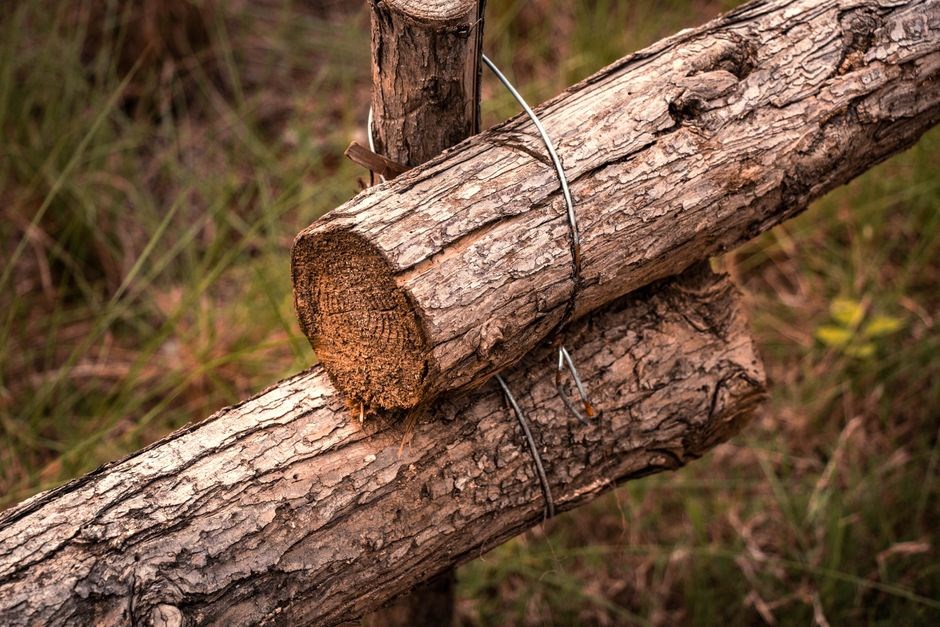
Before applying‚ clean the log surface of dust and old coatings. Use a high‑pressure brush or spray nozzle to apply the creosote solution evenly. Begin at one end and work in overlapping strokes to avoid streaks. Allow each layer to saturate for 10–15 minutes before adding a second coat. For optimal penetration‚ rotate the log 90 degrees after the first coat and reapply. Maintain a 4–6 inch distance between nozzle and log to prevent pooling. After the final coat‚ wipe off excess with a clean rag. Let the logs dry in a shaded area for at least 48 hours; this curing period ensures the preservative bonds with the wood fibers. Test a small section for absorption by pressing a finger into the treated area; a firm‚ non‑slip feel indicates proper saturation. Store the treated logs in a dry‚ ventilated space until ready for installation. When handling logs‚ wear nitrile gloves and keep the area well ventilated. After application‚ allow the logs to sit undisturbed for 24 hours before handling. If working in cold weather‚ use a heat lamp to accelerate drying. Once cured‚ store logs in a dry shed or under a tarp. The preservative penetrates up to 2 inches deep and!!. To further protect the logs during storage‚ apply a thin coat of a water‑based sealant after the creosote has fully cured; this additional barrier helps prevent surface moisture buildup and extends the overall lifespan of the treated timber. Reducing re‑treatments keeps logs pristine! To preserve longevity‚ inspect logs six months for wear‚ and reapply creosote if needed to keep the protective barrier intact!!

Application Techniques for Creosote Logs
Creosote logs are installed by securing the base with concrete footings and aligning the log. Use a level to ensure even placement. Apply a thin mortar layer between log and footing‚ then allow 24 hours to cure. Add a protective sealant for UV resistance and ensure proper ventilation during curing and dry.
Installation in Fireplaces
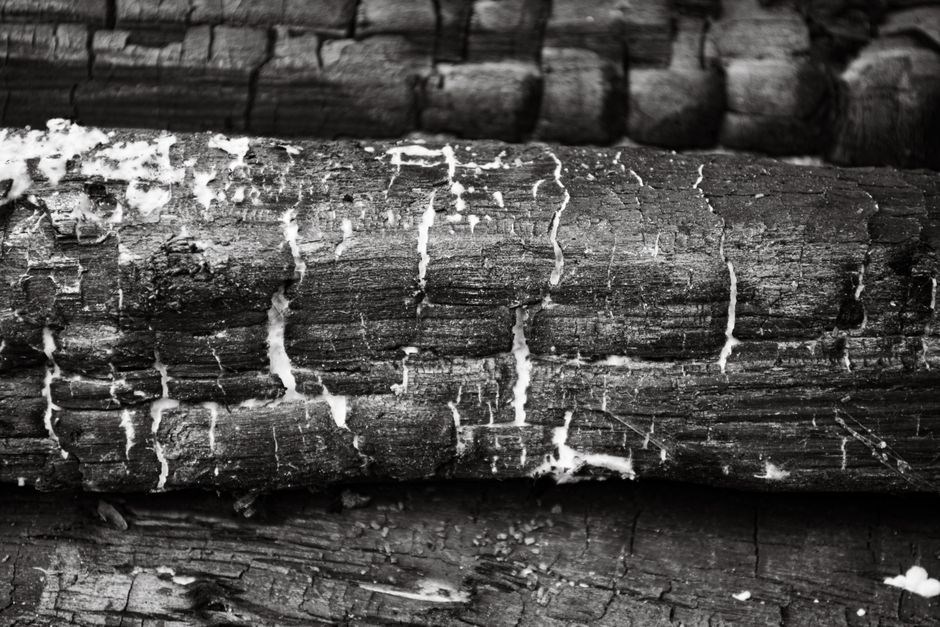
Creosote‑treated logs can serve as a protective lining for fireplace surrounds‚ reducing heat transfer and preventing splinters. Begin by measuring the interior dimensions of the hearth and chimney to determine the number of logs required. Cut each log to the exact length‚ ensuring a snug fit against the brick or stone walls. Apply a high‑temperature sealant to the log ends before placement to seal gaps and minimize creosote migration.
Place the first log at the base of the fireplace‚ aligning it with the hearth rim. Secure it with fire‑grade screws or masonry anchors that can withstand temperatures up to 1200°F. Once the base is stable‚ stack subsequent logs in a staggered pattern‚ leaving a 1/4‑inch clearance between each log and the surrounding masonry to allow airflow. Use a heat‑resistant adhesive to bond the logs to the chimney lining‚ ensuring a continuous barrier that directs smoke upward. The logs should be positioned so that the heat‑grade sealant covers the contact points‚ preventing any creosote seepage into the chimney flue. Additionally‚ installing a logs chimney wall can protect against splatter damage‚ This shield should be secured with high‑temperature screws and inspected annually for corrosion.

After all logs are installed‚ inspect the assembly for any exposed seams. Apply a final coat of fire‑grade sealant around the perimeter‚ sealing any potential leaks. Regularly check the logs for cracks or wear‚ replacing any damaged sections promptly to maintain safety and durability.

Safety and Environmental Considerations
Creosote logs emit volatile compounds; use in well‑ventilated areas only. Keep logs dry to prevent mold. Dispose of waste in accordance with local hazardous material guidelines. Avoid direct contact with skin; wear gloves and eye protection during handling..
Ventilation Requirements
Proper ventilation is essential when using creosote‑treated logs‚ as volatile organic compounds can accumulate in confined spaces. Adequate airflow prevents health risks and maintains material integrity. Follow these guidelines for safe use.
- Install a mechanical exhaust system that draws air out of the area and replaces it with fresh outdoor air. Aim for at least 0.5 air changes per hour to keep fumes away.
- Ensure the exhaust vent is located above the log surface‚ 6–8 feet high‚ and vented to the outside‚ not into a chimney or flue that could recirculate fumes.
- Use a carbon‑filter in the exhaust line if logs are stored in a basement or crawlspace. Filters can cut VOC levels by up to 90%.
- Maintain a clearance of at least 12 inches between the log and any walls or ceilings to allow air circulation and prevent moisture buildup.
- Replace filters every 6–12 months or when they appear clogged. Check the system for leaks or blockages regularly.
By following these ventilation practices‚ you can safely enjoy the durability and longevity of creosote logs while protecting occupants and the environment from potential hazards. Proper airflow not only reduces the concentration of harmful fumes but also helps maintain the structural integrity of the logs by preventing moisture buildup and mold growth; In addition‚ regular inspections and timely filter replacements ensure that the ventilation system remains effective over the life of the installation. Always adhere to local building codes and environmental regulations‚ and consult with a professional if you are unsure about the specific requirements for your project. With careful planning and consistent maintenance‚ creosote logs can provide reliable‚ low‑maintenance performance for years. Thanks!